

How Hand Carving Shapes the Tone of an Archtop Guitar

How Hand Carving Shapes the Tone of an Archtop Guitar
Hand carving is one of the defining elements of a traditional archtop guitar. It shapes not only the look of the instrument but also how it sounds and responds. The process requires precision, experience, and an understanding of how wood behaves under tension.
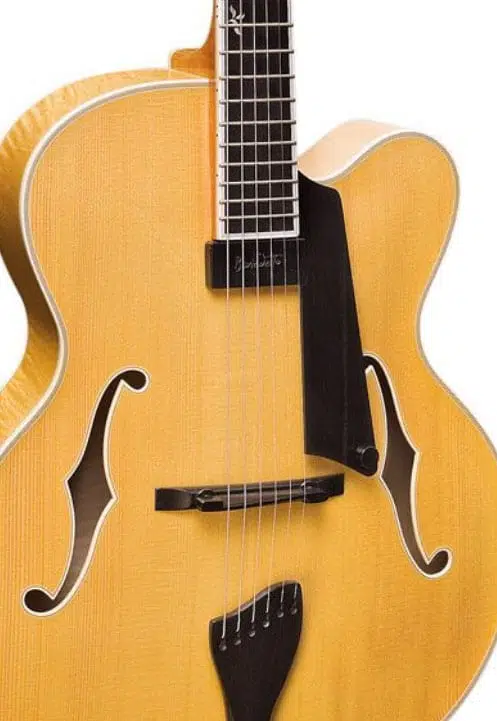
The top and back of an archtop are carved from solid pieces of wood, usually spruce for the top and maple for the back. These pieces are shaped gradually to achieve the right thickness and contour. The goal is to create a structure that vibrates evenly across its surface. When done correctly, this produces a balanced tone with clear projection and strong sustain.
Carving affects how energy moves through the guitar. A thinner area may increase sensitivity and responsiveness, while a slightly thicker section adds support and focus. The luthier adjusts these areas carefully, listening and feeling how the wood responds. This process determines how the guitar will react to the player’s touch.
Hand carved models such as the Cremona and La Venezia show the results of this approach. Their tone is open and complex, with clear note separation and strong dynamic response. These instruments allow players to hear subtle differences in phrasing and articulation.
In contrast, laminated construction offers consistency and durability but does not provide the same level of acoustic complexity. Hand carving gives each instrument its own character, shaped by the wood and the builder’s decisions. No two carved guitars respond in exactly the same way.
The benefits of hand carving extend beyond tone. It also influences projection and balance. A properly carved top directs sound forward while maintaining clarity across all frequencies. This allows the guitar to sit naturally in both solo and ensemble settings.
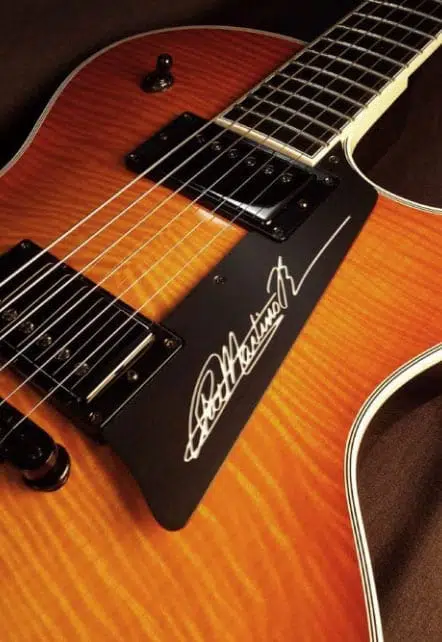
Benedetto’s Flagship Series reflects this commitment to hand carving. Each instrument is shaped with attention to detail so that tone, feel, and response work together. The result is a guitar that reacts naturally to the player and supports expressive performance.
Hand carving remains a central part of archtop design because it connects craftsmanship with sound. It allows the instrument to respond fully to the player and to deliver the clarity and balance that define jazz guitar.
Related Content

Understanding Tonewoods: How Wood Choices Shape Jazz Guitar Tone
How Tonewoods Shape the Sound of a Jazz Guitar Every jazz guitarist knows the importance of tone, but few elements influence that sound as much as the wood beneath your hands. From warmth and resonance to clarity and projection, tonewoods …
Read More >
How to Choose the Right Jazz Guitar for Your Playing Style
The guitar you choose defines how you sound and feel as a player. In jazz, tone and touch matter more than volume or flash. A well-chosen guitar responds to your phrasing, supports your rhythm, and inspires new ideas. Choosing the …
Read More >
Your Next Guitar?
This new Bravo is up in Bob’s Boutique and ready to go! Click on over to buy online, or contact us with any questions: info@benedettoguitars.com
Read More >