
Why Hollow Body Archtop Guitars Define the Jazz Sound
Why Hollow Body Archtop Guitars Define the Jazz Sound
For nearly a century, the hollow body archtop guitar has held a central place in jazz. Its voice carries warmth, clarity, and balance that blend naturally with other instruments. While guitar design has evolved in many directions, jazz musicians continue to return to the hollow body archtop for its distinctive response and musical character.
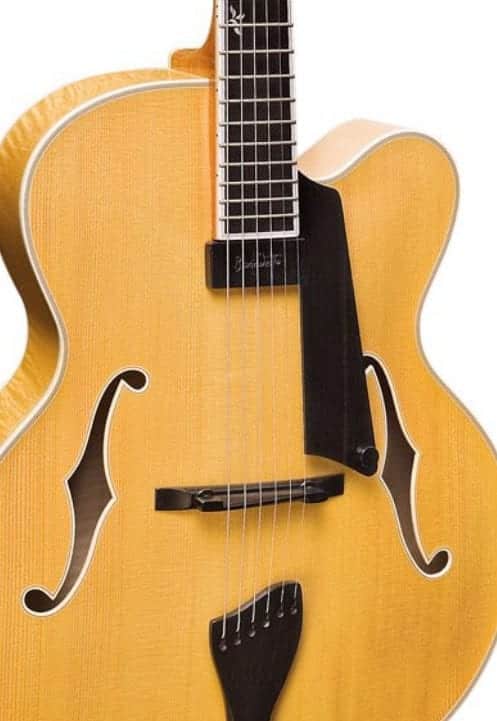
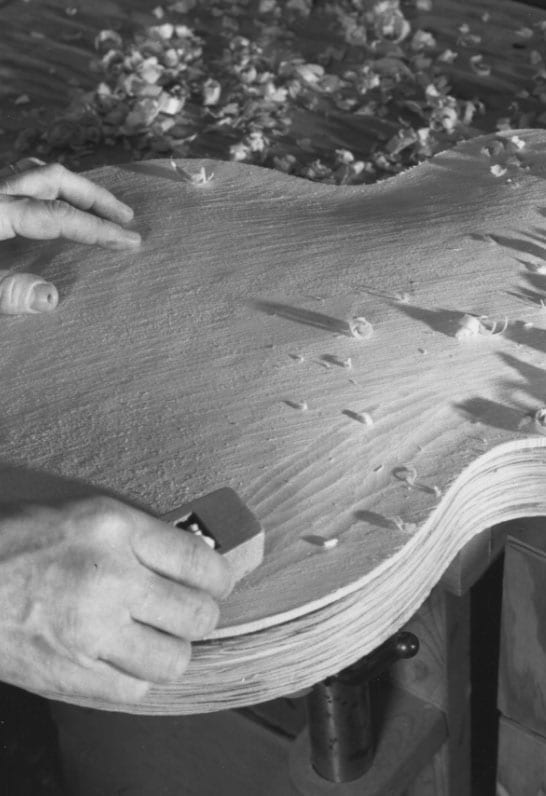
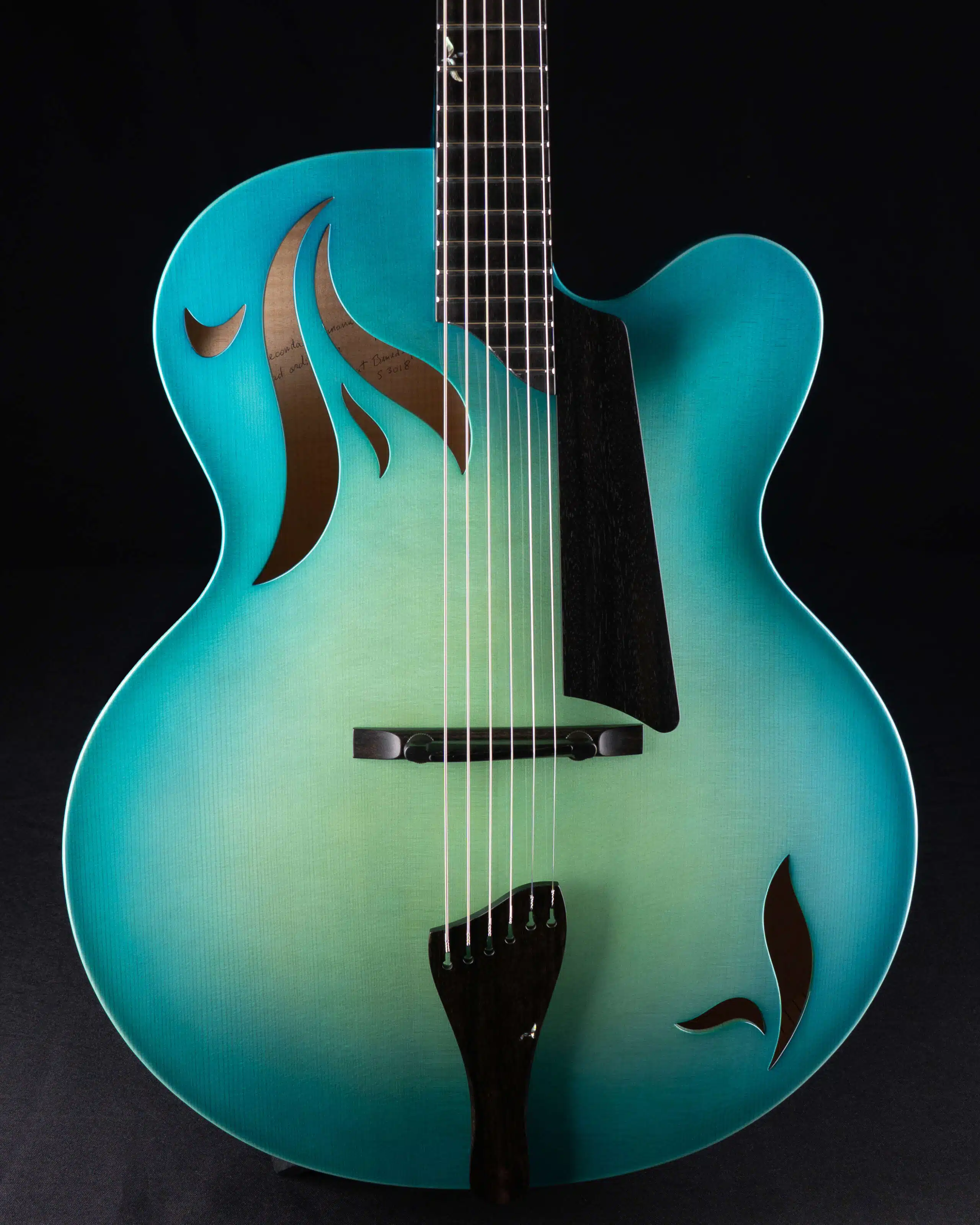
The defining feature of an archtop guitar is its carved or laminated top combined with a hollow interior. This structure allows the guitar to resonate more freely than a solid body instrument. The result is a tone that feels open and dynamic, with a strong midrange that sits comfortably in a jazz ensemble. Chords sound full and clear, while single notes maintain articulation without becoming overly sharp.
Projection also plays an important role. In early jazz settings, guitarists needed instruments that could be heard alongside horns and drums before the widespread use of amplification. Archtop guitars were designed with f holes and arched tops that pushed sound forward. Even today, that focused projection helps the guitar remain present in a group setting without dominating the mix.
The hollow body construction also contributes to the instrument’s responsiveness. When a player adjusts pick attack or finger pressure, the guitar reacts immediately. This sensitivity allows musicians to shape phrases with subtle changes in touch. In jazz performance, where dynamics and articulation carry emotional weight, that responsiveness becomes essential.
Hand carved models such as the La Venezia demonstrate the depth and complexity that hollow body construction can achieve. Their carved spruce tops and maple backs create a rich acoustic foundation that responds clearly to the player’s touch. Instruments like the 16-B build on the same tradition, offering projection and tonal balance suited for both solo and ensemble playing.
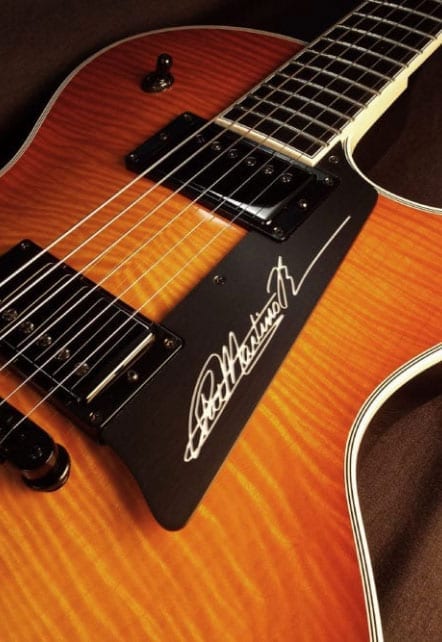
Amplified performance has introduced new design considerations, yet the hollow body remains central. Modern models such as the Bravo and Bambino combine hollow construction with electronics that deliver consistent stage performance. These guitars maintain the warmth of traditional archtops while supporting contemporary playing environments.
Hollow body guitars also encourage a particular playing style. Their natural resonance rewards controlled attack and thoughtful phrasing. Players often discover that the instrument invites a lighter touch and more deliberate articulation. This interaction between player and instrument shapes the sound of jazz guitar as much as any piece of equipment.
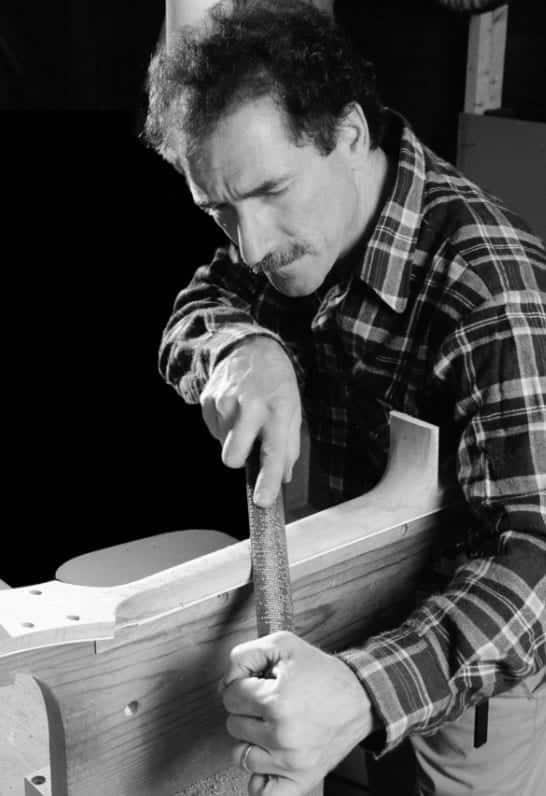
At Benedetto, the hollow body archtop continues to guide design philosophy. The Flagship Series preserves the hand carved tradition that defines classic jazz tone. The Professional Series brings the same tonal balance to working musicians who need reliability on stage.
The hollow body archtop has endured because it supports the core qualities of jazz performance. Warm tone, clear projection, and dynamic response allow the guitar to blend, support, and lead when needed. As jazz continues to evolve, the archtop remains one of its most expressive and recognizable voices.
Related Content

Understanding Tonewoods: How Wood Choices Shape Jazz Guitar Tone
How Tonewoods Shape the Sound of a Jazz Guitar Every jazz guitarist knows the importance of tone, but few elements influence that sound as much as the wood beneath your hands. From warmth and resonance to clarity and projection, tonewoods …
Read More >
How to Choose the Right Jazz Guitar for Your Playing Style
The guitar you choose defines how you sound and feel as a player. In jazz, tone and touch matter more than volume or flash. A well-chosen guitar responds to your phrasing, supports your rhythm, and inspires new ideas. Choosing the …
Read More >
Your Next Guitar?
This new Bravo is up in Bob’s Boutique and ready to go! Click on over to buy online, or contact us with any questions: info@benedettoguitars.com
Read More >