
Why the Archtop Guitar Excels in Jazz Ensembles

Why the Archtop Guitar Excels in Jazz Ensembles
Jazz is built on interaction. Each instrument must hold its place while leaving room for others. The archtop guitar remains central to this balance because of its focused tone and controlled projection. Its design allows it to blend with bass, piano, horns, and drums without overpowering the ensemble.
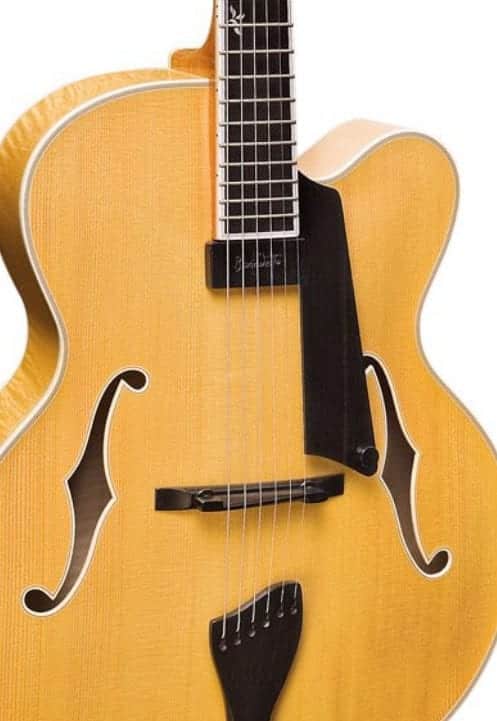
The carved top and hollow body of an archtop guitar create a midrange voice that sits clearly within a group setting. Unlike solid body guitars, which can dominate certain frequencies, the archtop maintains definition without excess brightness. This tonal balance allows chords to support the harmony while single note lines remain articulate.
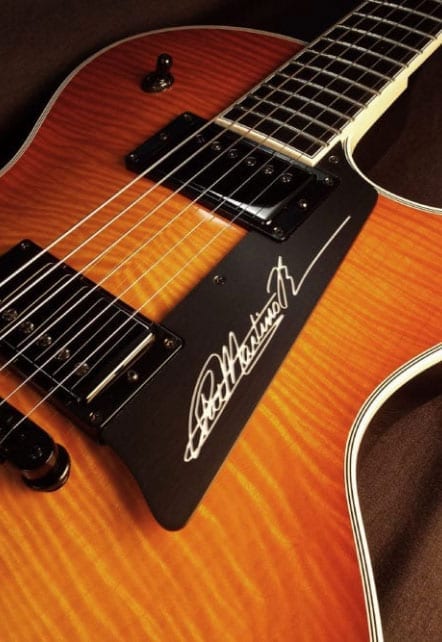
Projection plays a major role in ensemble performance. An archtop’s sound holes and body depth distribute sound evenly, which helps the guitar cut through the mix without excessive amplification. In smaller groups, hand carved models such as the Manhattan provide detailed response that complements acoustic instruments. In larger ensembles, models like the Bravo Elite or Bravo Deluxe deliver controlled output that remains clear under amplification.
Feedback resistance is another advantage. Laminated designs within the Professional Series offer stability in louder environments. This consistency allows players to focus on rhythm and phrasing instead of adjusting settings throughout a performance.
Ensemble playing also demands dynamic control. Jazz guitarists often shift from subtle comping to melodic solos within a single piece. An archtop responds quickly to changes in attack and volume, which supports musical conversation between players. This responsiveness is one reason the instrument has remained essential in jazz settings for decades.
Benedetto guitars are voiced to support this role. Whether through the acoustic depth of a hand carved model or the focused consistency of a stage ready instrument, each design emphasizes clarity and balance. The result is a guitar that supports the ensemble without competing for space.
In jazz, success depends on listening and responding. The archtop guitar excels because its design encourages both. It blends, projects, and adapts in real time, making it one of the most reliable voices in any jazz ensemble.
Related Content

Understanding Tonewoods: How Wood Choices Shape Jazz Guitar Tone
How Tonewoods Shape the Sound of a Jazz Guitar Every jazz guitarist knows the importance of tone, but few elements influence that sound as much as the wood beneath your hands. From warmth and resonance to clarity and projection, tonewoods …
Read More >
How to Choose the Right Jazz Guitar for Your Playing Style
The guitar you choose defines how you sound and feel as a player. In jazz, tone and touch matter more than volume or flash. A well-chosen guitar responds to your phrasing, supports your rhythm, and inspires new ideas. Choosing the …
Read More >
Your Next Guitar?
This new Bravo is up in Bob’s Boutique and ready to go! Click on over to buy online, or contact us with any questions: info@benedettoguitars.com
Read More >