

Recording Jazz Guitar: How to Capture a Natural Archtop Sound

How to Capture a Natural Jazz Guitar Tone in the Studio
Recording jazz guitar requires restraint and attention to detail. The goal is not to alter the instrument’s voice but to preserve it. Archtop guitars produce warmth, articulation, and natural compression that should remain intact in the final mix.
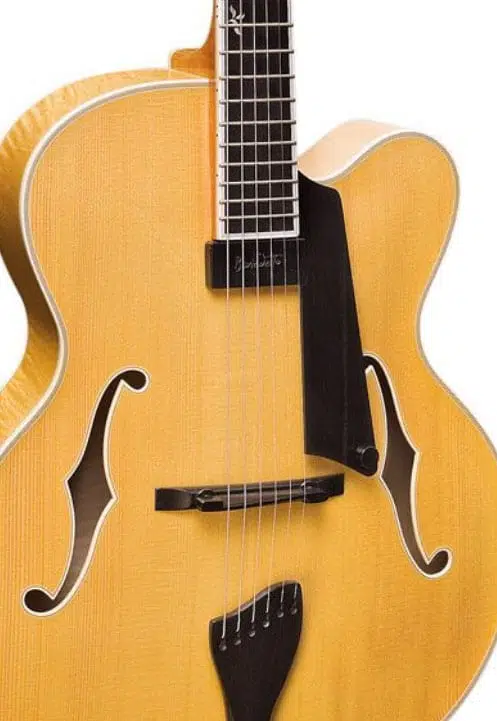
The first decision is whether to record acoustically, amplified, or both. Hand carved instruments such as the La Venezia and Sinfonietta respond beautifully to microphones placed near the f holes or slightly above the top. A condenser microphone positioned at a moderate distance captures body resonance without emphasizing pick noise.
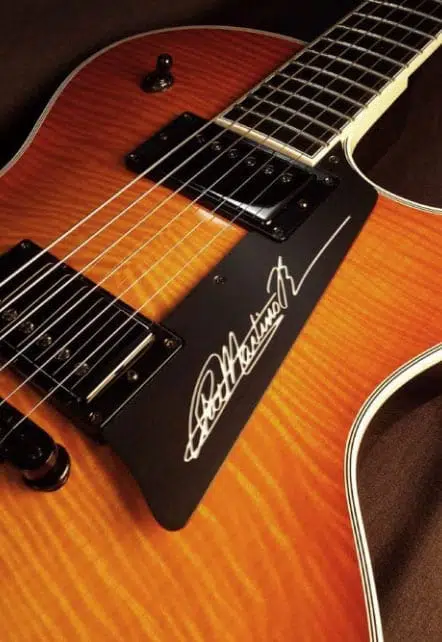
For amplified sessions, a clean amp setting is essential. Keep EQ balanced and avoid excessive gain. Models like the Bambino Elite or Bravo Elite deliver consistent response under amplification, while providing a robust acoustic sound worthy of recording. Pairing them with a neutral amplifier preserves clarity and articulation. Recording both the direct amp signal and a room microphone often produces a fuller and more dimensional sound.
Room acoustics play a major role. Hard surfaces create reflections that can blur articulation. A controlled room with minimal echo allows the guitar’s tone to remain focused. Small adjustments in mic placement often produce better results than heavy post processing.
String condition and setup matter before recording begins. Fresh strings offer clarity and sustain, while proper neck relief and action ensure even response across the fingerboard. Benedetto’s Customer Care resources provide guidance to help players maintain optimal setup before entering the studio.
Touch remains the most important factor. Jazz guitar tone is shaped by dynamics and articulation. Recording exposes inconsistencies in attack and timing, so controlled technique yields the most natural results. When the hands lead, microphones capture authenticity rather than excess noise.
Benedetto guitars are built to translate nuance clearly. Whether recording a solo performance or tracking within an ensemble, the instrument should sit naturally in the mix without heavy equalization. Capturing a true archtop sound requires thoughtful mic placement, clean amplification, and disciplined touch.
In the studio, simplicity often produces the most honest tone. Preserve the character of the instrument, and the recording will reflect the depth and balance that define the jazz guitar.
Related Content

Understanding Tonewoods: How Wood Choices Shape Jazz Guitar Tone
How Tonewoods Shape the Sound of a Jazz Guitar Every jazz guitarist knows the importance of tone, but few elements influence that sound as much as the wood beneath your hands. From warmth and resonance to clarity and projection, tonewoods …
Read More >
How to Choose the Right Jazz Guitar for Your Playing Style
The guitar you choose defines how you sound and feel as a player. In jazz, tone and touch matter more than volume or flash. A well-chosen guitar responds to your phrasing, supports your rhythm, and inspires new ideas. Choosing the …
Read More >
Your Next Guitar?
This new Bravo is up in Bob’s Boutique and ready to go! Click on over to buy online, or contact us with any questions: info@benedettoguitars.com
Read More >